the learning environment
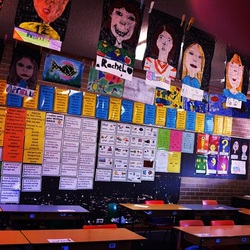
Arthur-Kelly, Lyons, Butterfield & Gordon (2007), highlight that through the provision of a positive learning environment, students are more likely to engage deeply in learning activities and appropriate student behaviour is more effectively maintained. It is important to match the physical classroom environment to the needs of the students in order to maintain effective running of teaching and learning practices (Marsh, 2010). Being able to reflect and recognise structures that do not facilitate effective classroom practices is essential and creating and implementing adaptations is important in order to provide the best environment for both yourself and your students (McDonald, 2010). There are a number of ways that you can structure the physical layout of the classroom, however it is important that the design is workable and fits the needs of the students in your classroom.
Classroom Organisation – Scholastic
Extracted from the book “Learning to Teach... Not just for Beginners” by Linda Shalaway, this helpful site provides information on important things to consider when setting up the physical environment of your classroom. Click on the link below to access this helpful information.
http://www.scholastic.com/teachers/article/classroom-organization-physical-environment
Extracted from the book “Learning to Teach... Not just for Beginners” by Linda Shalaway, this helpful site provides information on important things to consider when setting up the physical environment of your classroom. Click on the link below to access this helpful information.
http://www.scholastic.com/teachers/article/classroom-organization-physical-environment
Desk Arrangement
This document provides images of five different types of seating arrangements that could be implemented within a classroom environment. Each of the designs facilitates the teaching and learning process in different ways. Each of the designs has both advantages and disadvantages; it’s all about finding out what works best for you and the dynamics of your class.
This document provides images of five different types of seating arrangements that could be implemented within a classroom environment. Each of the designs facilitates the teaching and learning process in different ways. Each of the designs has both advantages and disadvantages; it’s all about finding out what works best for you and the dynamics of your class.

| desk_arrangement_examples.pdf |
New South Wales Department of Education and Training:
“Quality Teaching in New South Wales Public Schools”
The New South Wales Department of Education and Training “Quality Teaching in NSW Public Schools” model should underpin all teaching and learning experiences that occur within classrooms and the wider school community. The presented model discusses the importance of providing a learning environment that is safe, support risk taking and develops positive relationships between all.
“Quality Teaching in New South Wales Public Schools”
The New South Wales Department of Education and Training “Quality Teaching in NSW Public Schools” model should underpin all teaching and learning experiences that occur within classrooms and the wider school community. The presented model discusses the importance of providing a learning environment that is safe, support risk taking and develops positive relationships between all.
| nsw_det_qtm.pdf |
Encouraging a Positive Learning Environment
Nita Barbour and Carol Seefeldt explain how classroom layouts that provide flexible working groups, appropriate furniture and adequate storage and displays provide opportunities for the programming of constructive and creative learning experiences. These creation of positive learning environments provide students with the opportunity to participate in meaningful learning that heightens their social, emotional and intellectual development.
Nita Barbour and Carol Seefeldt explain how classroom layouts that provide flexible working groups, appropriate furniture and adequate storage and displays provide opportunities for the programming of constructive and creative learning experiences. These creation of positive learning environments provide students with the opportunity to participate in meaningful learning that heightens their social, emotional and intellectual development.
| encouraging_a_positive_learning_environment.pdf |
